These are the originals. Natural slate and natural cedar are the materials that the composite look-alikes on our Composite and Synthetic Roofing page are built to imitate. They are beautiful, they are premium, and each carries real tradeoffs that matter more to a community association than to a single homeowner, because an association is choosing for many buildings and funding the upkeep out of shared reserves.
This page explains what real slate and real wood roofing are, the strengths that keep them in demand, and the practical realities (weight, maintenance, fire, and cost) a Minnesota board should weigh. It does not rate or recommend any contractor or management company, and it does not tell your board what to buy.
A note on "square." Roofers measure by the square, which is 100 square feet of roof area. Weight and cost figures below use it.
Natural slate
Slate is real stone, quarried from the earth and split into thin shingles. It is the longest-lived roof material in common use, it is naturally fireproof, and it does not rot or attract insects. It also comes with the two biggest barriers in roofing: weight and cost.
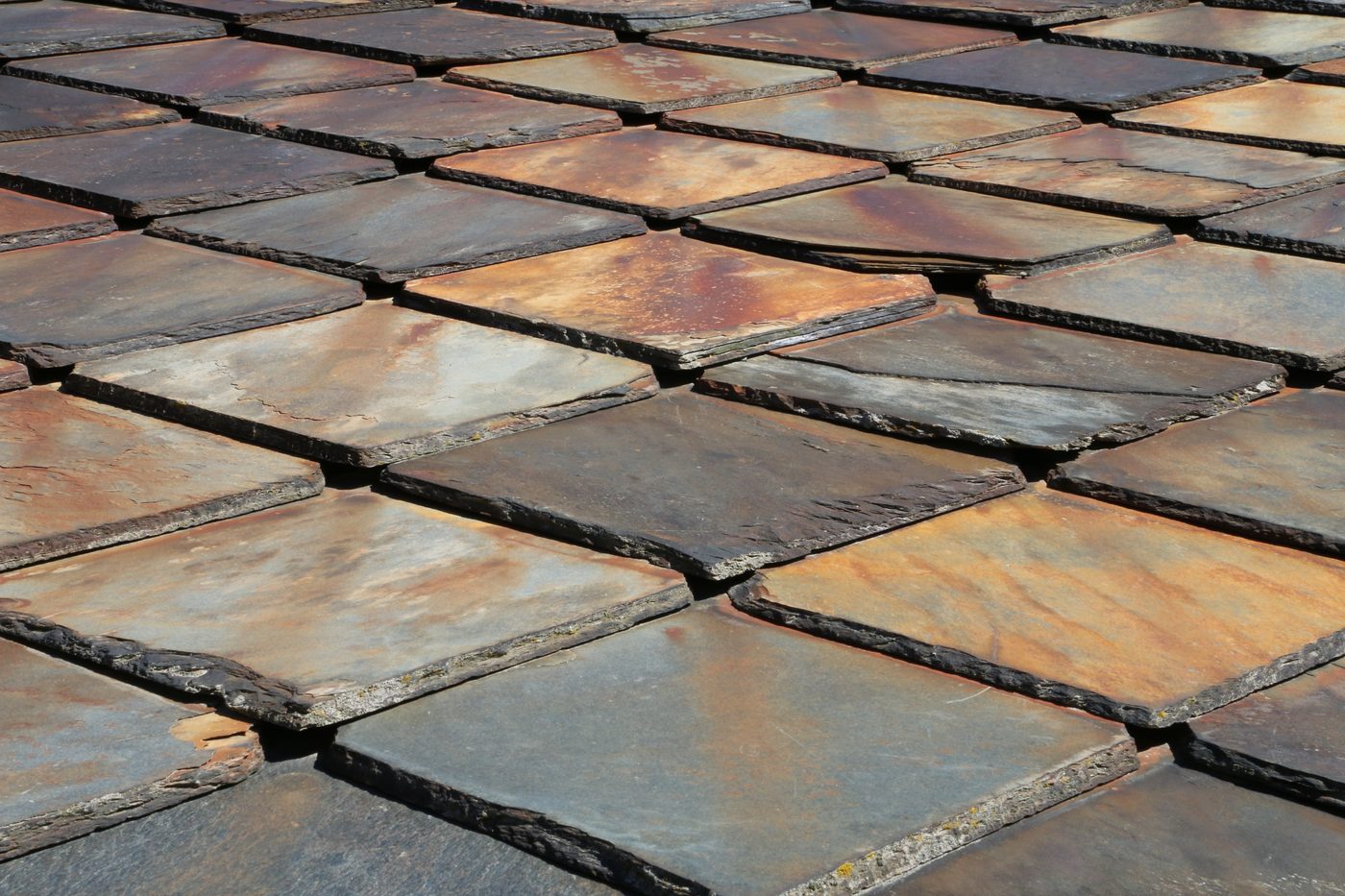
Hard slate versus soft slate. The grade drives the lifespan. Per the National Roofing Contractors Association, hard slate (graded S1) lasts roughly 75 to 200 years, while soft slate (S2) runs about 50 to 125 years. Hard slate's very low water absorption is why it shrugs off freeze-thaw cycling, which matters in Minnesota; soft slate is more porous and can grow flaky at the end of its life.
Weight is usually the deciding factor. A natural slate roof weighs 800 to 1,500 pounds per square, compared to about 250 pounds for asphalt, up to roughly four times as heavy. A whole roof's worth adds up to tons of stone. Most buildings not originally designed for slate cannot carry that without reinforcement, so a structural engineer or slate-qualified professional must confirm the framing before anyone orders material. This is the single most common reason a board that wants slate ends up choosing a lightweight composite instead.
Cost and labor. Slate is among the most expensive roofs available, commonly landing well above asphalt, metal, and composite per square foot installed, driven by both the material and the specialized labor needed to install it correctly. Soft slate costs less than hard slate.
Durability with one caveat. Slate resists fire, wind, hail, rot, and insects, and needs little day-to-day care. The caveat is that it is brittle: a falling limb or foot traffic can crack individual slates, so the roof needs periodic inspection and prompt replacement of cracked or slipped pieces to reach its full life. The flashing and fasteners (often copper, chosen to last as long as the stone) may need attention before the slate itself does.
Natural wood shake and shingle
Wood roofing is almost always Western red cedar, prized for its natural rot resistance and its warm, textured look. There are two forms, and the difference is real:
- Shakes are split (or partly split) from the log, so they are thicker, rougher, and more irregular, giving that rustic, hand-hewn look.
- Shingles are sawn on both faces, so they are thinner, smoother, and more uniform.
Grading is overseen by the Cedar Shake and Shingle Bureau (CSSB), the industry body that sets quality standards.
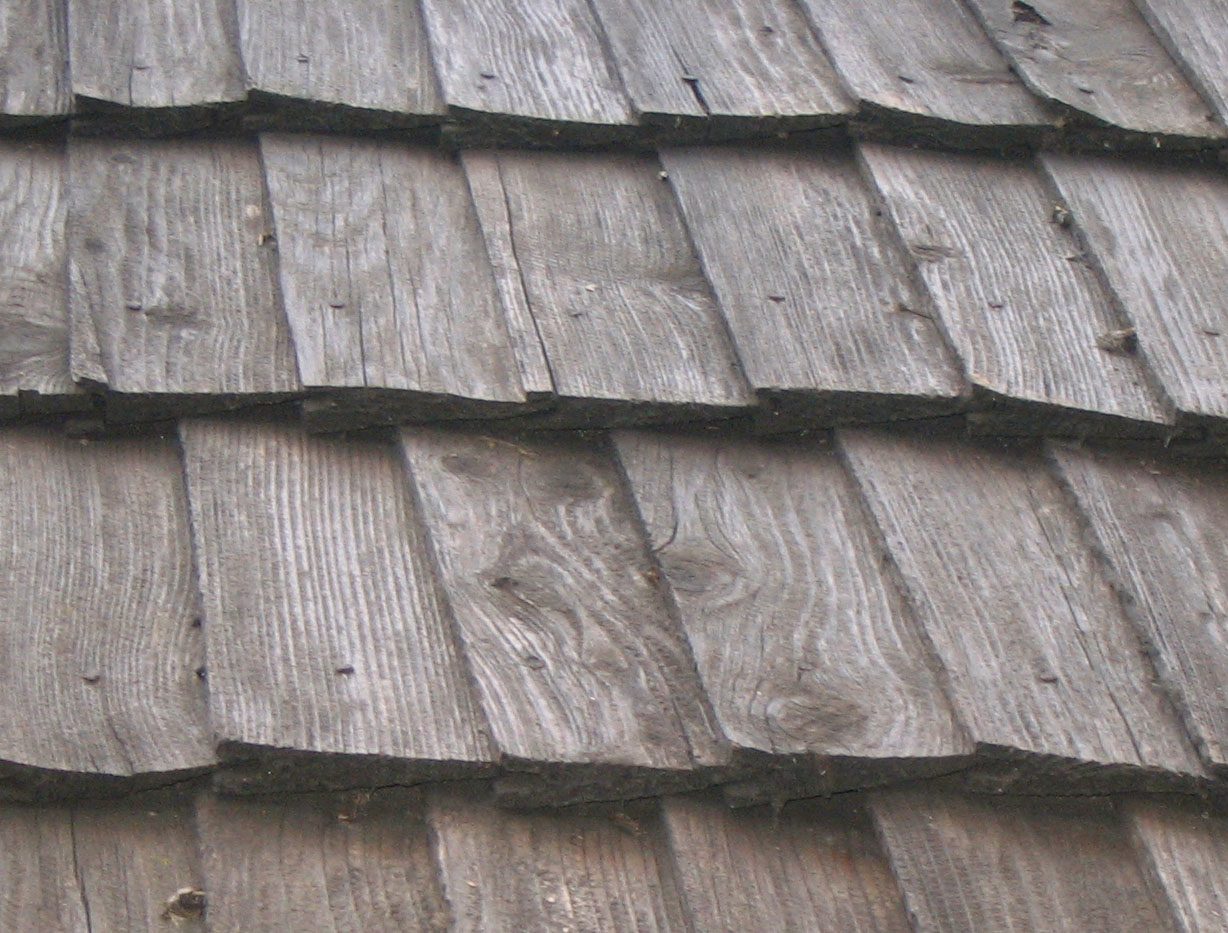
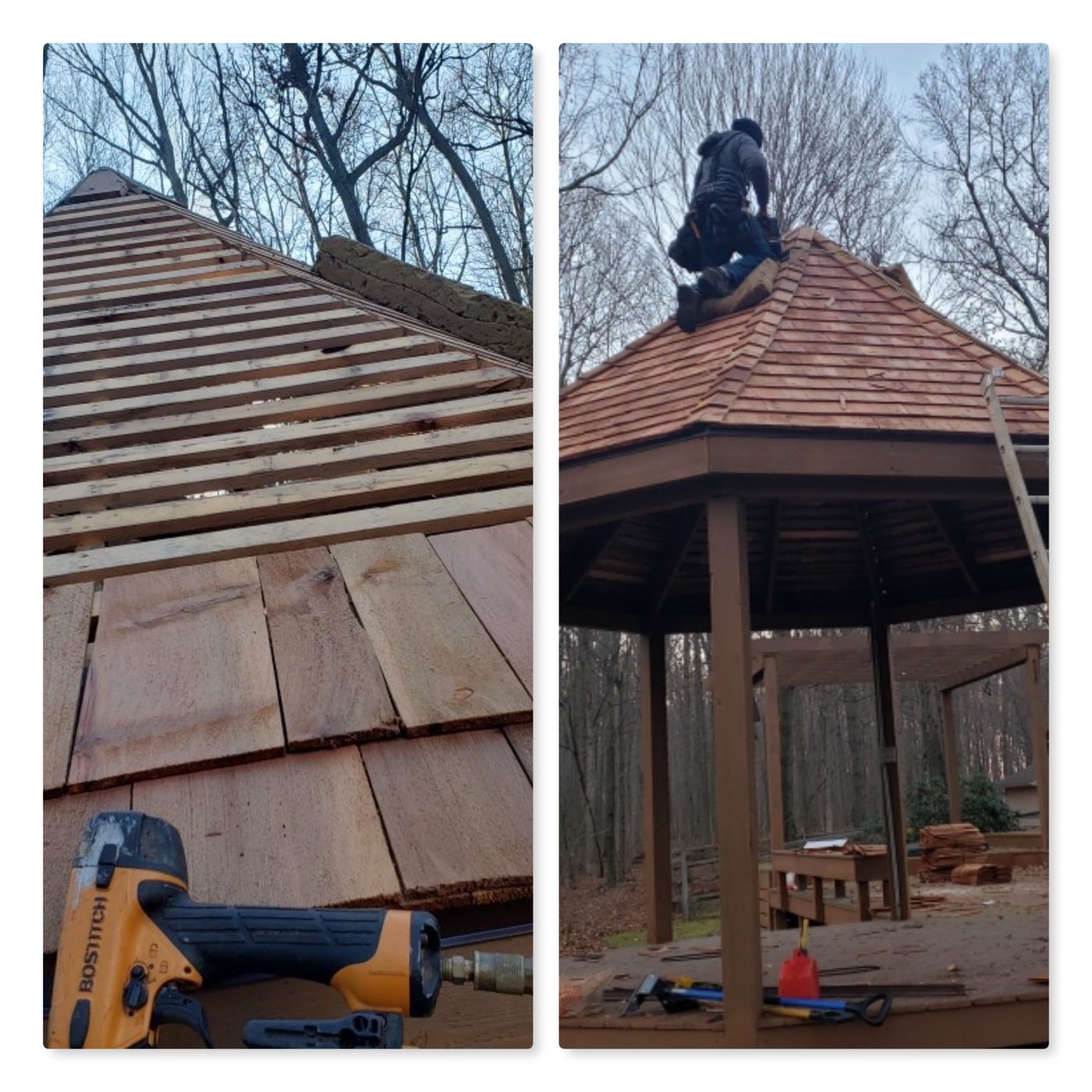
Lifespan depends entirely on maintenance. A cedar roof commonly lasts around 30 years, and can reach 40 to 50 with high grade, ideal conditions, and diligent upkeep. In a cold, damp climate the number trends lower, because freezing makes the wood brittle and lowers its impact resistance, and moisture invites the problems below.
Maintenance is the honest headline for an association. Cedar is a natural product that needs active care that asphalt and metal do not: clearing debris and moss, and re-sealing or treating the wood every three to five years to slow drying, cracking, and rot. In shaded or north-facing sections it grows moss and can rot faster. For an association, the real question is who owns that recurring maintenance and how it is funded, because a neglected cedar roof fails early.
Fire and insurance. Untreated cedar carries a Class C fire rating, the lowest, and is effectively combustible. Pressure-treating the wood with fire retardant can raise it to Class B or Class A (look for CSSB "Certi-Guard" labeling), and many jurisdictions require treated product. Separately, a growing number of insurers are limiting or dropping coverage for cedar roofs, so a board should confirm both the code requirement and its carrier's position before committing.
Cost. Cedar typically runs two to three times the cost of asphalt. Because it is a natural material, it generally carries no manufacturer product warranty.
What it means for your association
Slate is a forever roof for a building that can carry it. If any of your buildings were originally built for slate or heavy tile, real slate can be the right long-term answer, and its 100-plus-year life can outlast several cycles of any other material. If the buildings were not designed for the weight, the reinforcement cost often pushes a board toward a composite that delivers the look at a fraction of the load.
Cedar's beauty comes with a recurring bill and a fire conversation. The look is genuinely hard to beat, but the sealing-and-treatment cycle, the moisture risk on shaded elevations, the fire rating question, and the insurance trend all land on the association, not a single owner. Boards that love the cedar look but not the upkeep frequently choose a composite shake, which gives the appearance with a Class A fire rating and effectively no maintenance (see our Composite and Synthetic Roofing page).
Confirm these before committing to either material:
- For slate: a structural evaluation confirming the framing can carry 800 to 1,500 pounds per square, or a reinforcement plan and its cost.
- For cedar: the fire rating required by your local code, whether treated product is mandated, and your insurer's current stance on wood roofs.
- For both: a realistic maintenance and inspection schedule, and who in the association owns it.
- For both: that the ice barrier and attic ventilation meet the 2020 Minnesota Residential Code (a self-adhering ice-and-water membrane from the eave to at least 24 inches inside the exterior wall line, and at least 1 square foot of attic vent area per 150 square feet).
Treat the above as the questions to raise, and confirm compliance and structural capacity for your specific buildings with your local building official and a licensed roofing or structural professional.
Switching materials? Your underlayment and watershed change.
Moving to natural slate from a lighter roof is a structural decision first and a surface decision second, so the weight review comes before anything else. Moving away from slate or cedar to a lighter material is simpler on the structure but still changes the underlayment, the fastening, and how water and melting ice move at the eaves and valleys. The Minnesota ice-barrier rule applies to every covering. Before committing, get a structural and watershed review from a qualified professional. See our Attic Ventilation and Insulation page for the building-science side.
Methodology
So you can see how this page was built.
- What is covered: natural slate (hard and soft grades) and natural cedar (shakes and shingles), described from industry standards and published performance data. Independent authorities are named for reference. No local contractors, installers, or management firms are rated or recommended anywhere on this page.
- Sources: the National Roofing Contractors Association, the Cedar Shake and Shingle Bureau, and the 2020 Minnesota Residential Code. Named and linked below.
- Last updated: 2026-07-20. Content is re-verified annually or when a major standard change surfaces.
Sources
- National Roofing Contractors Association (slate performance and grading): nrca.net (Opens in a new tab)
- Cedar Shake and Shingle Bureau (wood roofing grades and Certi-Guard fire labeling): cedarbureau.org (Opens in a new tab)
- 2020 Minnesota Residential Code, Chapter 9 (Roof Assemblies), via ICC: codes.iccsafe.org (Opens in a new tab)
- Minnesota Department of Labor and Industry, residential code: dli.mn.gov (Opens in a new tab)
- University of Minnesota Extension, home resources: extension.umn.edu (Opens in a new tab)
Next step
Weighing the real thing against a look-alike for your community? Download the Roof Replacement Evaluation Worksheet to line up weight, maintenance, fire, and code questions in one place, or send your specifics through the question form and we will point you to the right resources.